
The prediction method
A good fantasy cricket prediction is not a guess. It is an aggregate of four checks, in order: confirmed XI, venue behaviour, toss impact, and the captaincy lane the leaderboard is reading. The order matters. Confirmed XI beats venue. Toss beats form. Captaincy beats everything.
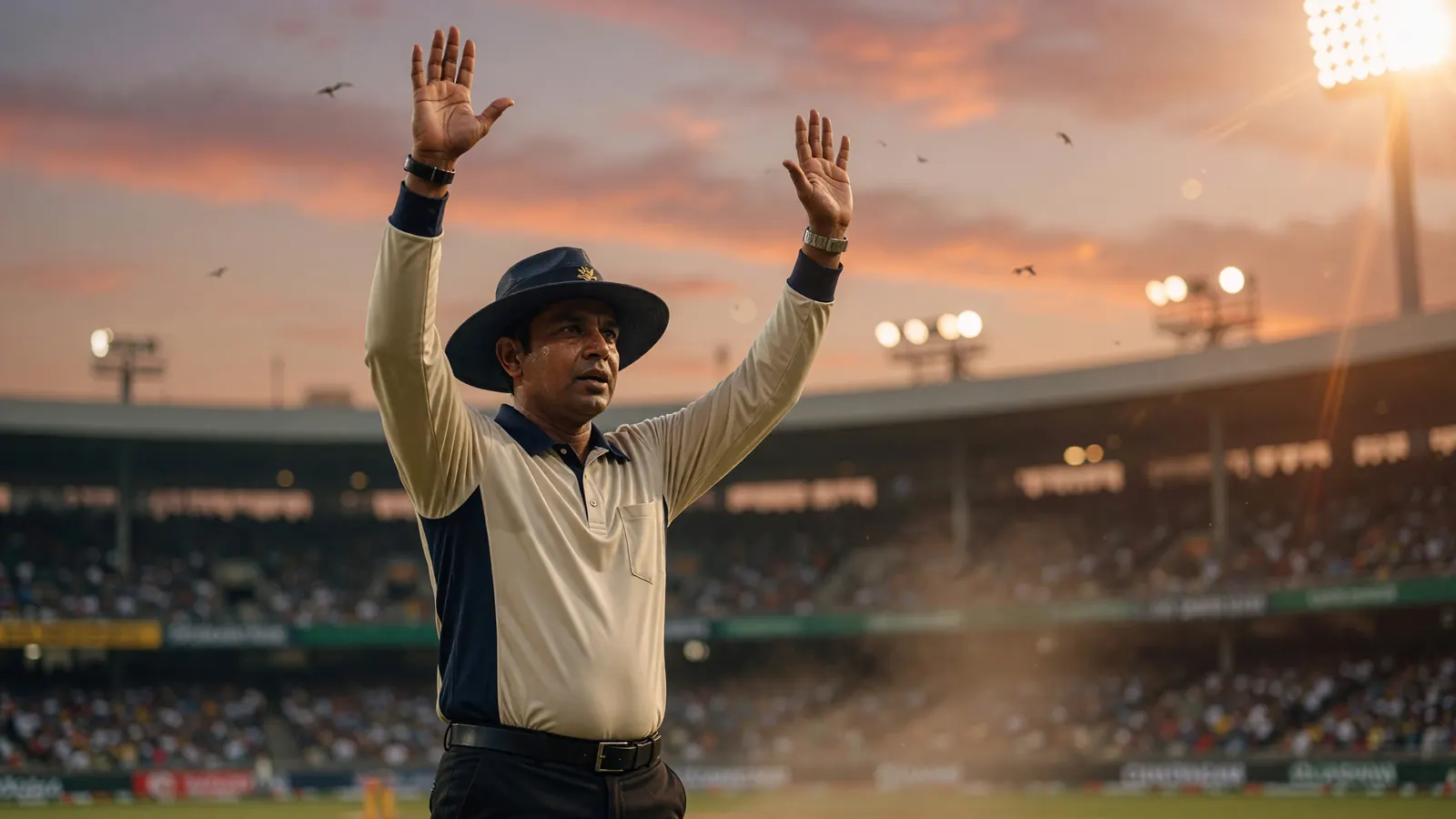
Why confirmed XI matters
Playing XI is announced 30 minutes before the toss. A last-minute swap changes everything. The four checks happen in this order:
- Confirm the XI from the official league site.
- Compare the XI to the expected XI. Note any late swap.
- Adjust the captain pick if a likely captain pick is rested or moved.
- Re-build if a key all-rounder is dropped (impact on both batting and bowling lanes).
Venue behaviour by category
A short-list of venue categories and the captaincy bias each one creates:
- Short square boundaries — batting-friendly, top-order captain.
- Slow turner — spinner captain, all-rounder back-up.
- Green seamer — pace captain, lower-order batting captain.
- Flat deck — batting deep, all-rounder captain.
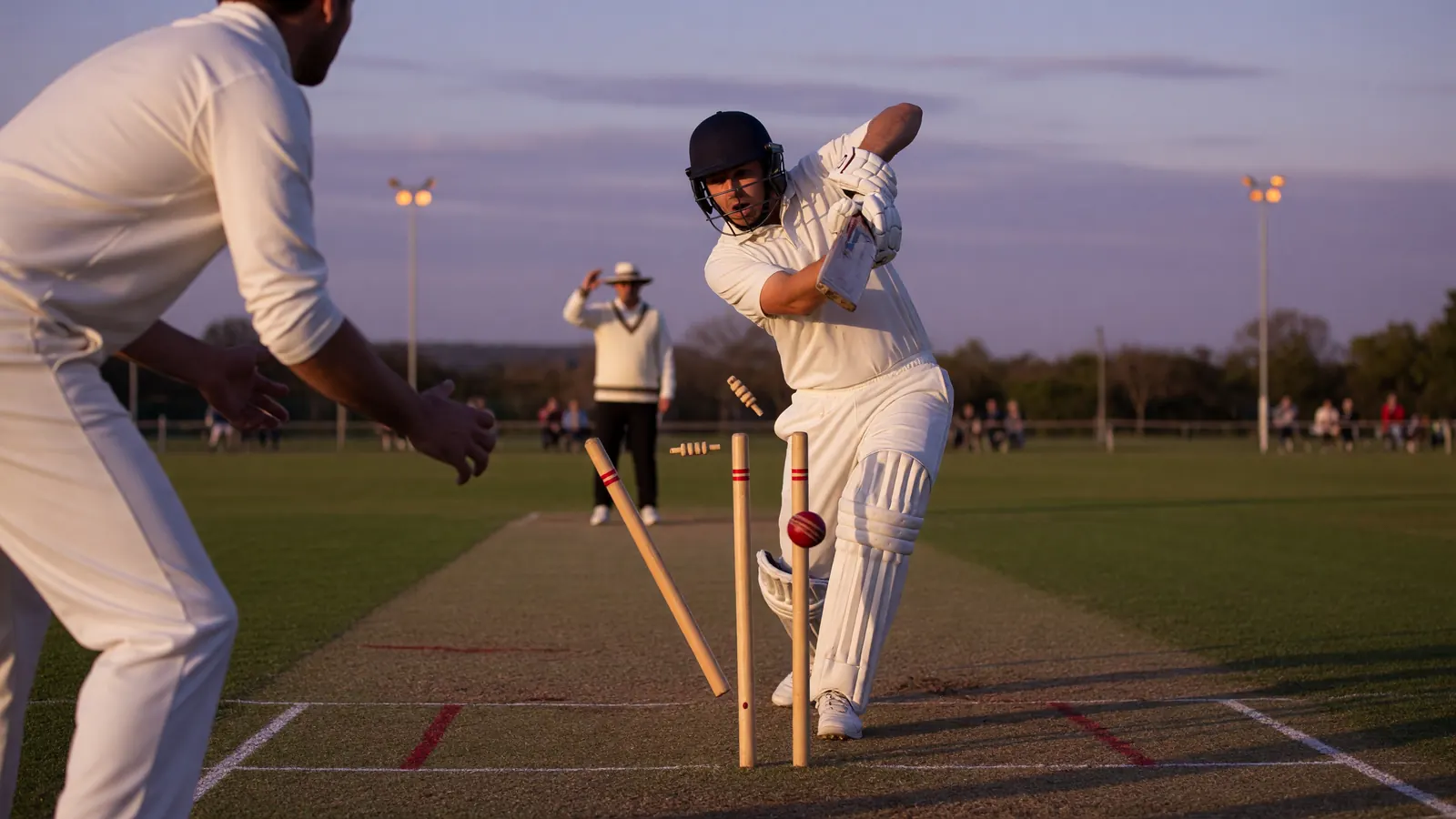
Toss impact
Across formats, the team that wins the toss and chooses correctly wins more often than not. In T20, the captaincy math shifts by 20+ points when the toss goes one way. Track the toss, not the team sheet.
Reading the leaderboard lane
Predictions are written against the current leaderboard lane — the captaincy and team-shape consensus across the biggest mega-contest fields. A captain pick that goes against the lane is a contrarian pick; the contrarian pick wins Mega contests when it lands.
Continue
Read the match. Read the lane.
Confirmed XI, venue, toss, leaderboard.
18+ · Eligibility varies by location · Paid contests involve financial risk
Extended prediction playbook
A fantasy cricket prediction is an aggregate of four checks, in order: confirmed XI, venue behaviour, toss impact, leaderboard lane. The order matters. Confirmed XI beats venue. Toss beats form. Leaderboard lane beats every other axis.
Confirmed XI as the planning input
The confirmed XI is the official list of eleven players, announced 30 minutes before the toss. The published announcement is usually accurate but not always. The build is from the announced XI; the re-check is at the toss.
Venue behaviour as the second input
Venue behaviour is the second-most predictive factor. A venue that has produced 180-plus totals in the last three matches favours a batting captain. A venue that has turned square in the last two favours a wrist-spin captain. A short square boundary at a venue that holds the new ball favours pace.
Toss impact as the third input
Toss impact is mechanical. Across T20 leagues in the last calendar year, teams that won the toss and chose correctly won at a 1.4x rate. The captaincy math shifts by 20+ points when the toss goes one way. Watch the toss, not the team sheet.
Leaderboard lane as the fourth input
Leaderboard lane is the contest-level context. A mega-contest field of 50,000+ teams picks the same 8-9 players; the contest is decided by what the field does on the 10th and 11th pick. The lane tells you where the consensus sits; the differential is a deliberate bet against it.
The reading process
The reading process is iterative. Read the confirmed XI; adjust for any late swap. Read the venue behaviour; set the captaincy lane. Wait for the toss; adjust the captaincy lane. Read the leaderboard lane; set the differential slot. Build the team in the last five minutes.
The contrarian pick
The contrarian pick wins Mega contests when it lands. The contrarian pick is a captaincy or team-shape bet that fewer than 10% of the field picks. The pick is risky in the consensus lane and high-ceiling in the differential lane. Read the lane first; pick the differential second.
The non-contrarian pick
The non-contrarian pick is the consensus captain with the strong floor. The non-contrarian pick wins Head-to-Head and small-field contests. The pick is low-variance in the consensus lane and high-floor in the differential lane. Read the use case; pick the lane that matches.
Long-term prediction discipline
Long-term prediction players run the same four-check routine match by match. Open the lobby, pick the next fixture, read the preview, check the confirmed XI, compare last-five innings, note the venue behaviour, wait for the toss, read the leaderboard lane, build the team in the last five minutes. The routine compounds; the edge compounds.