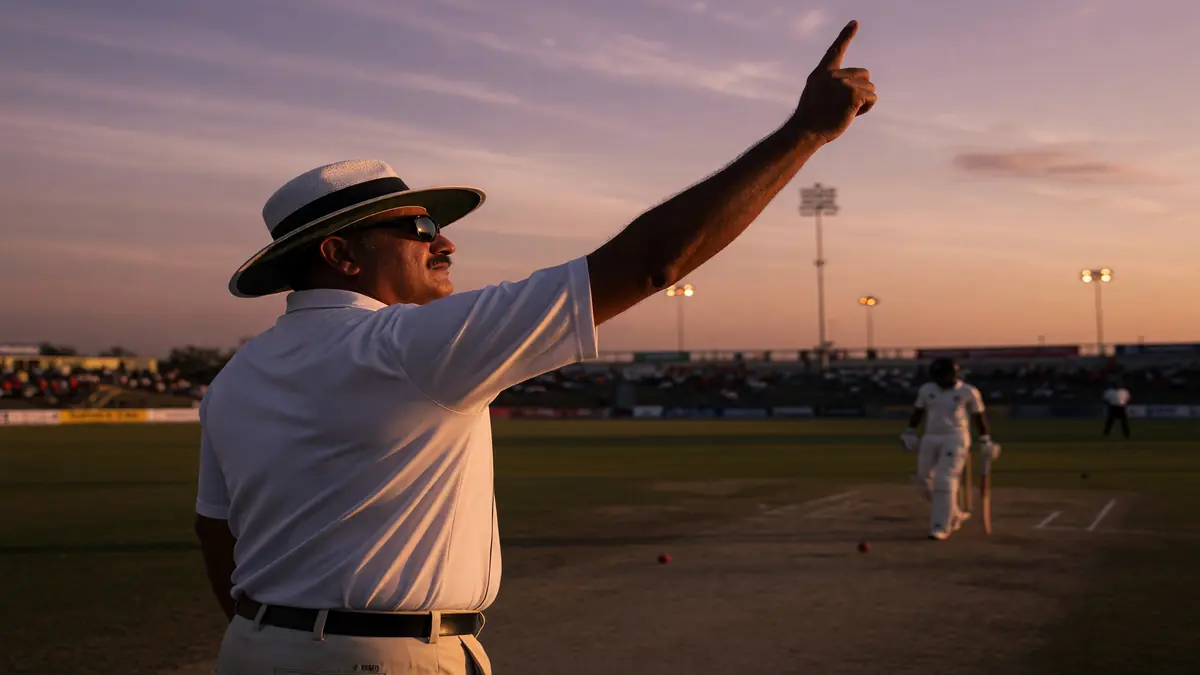
How the 2026 schedule shapes the fantasy math
The IPL is a 10-team, 70-match round-robin followed by playoffs. The first six overs define the captaincy math on most pitches. The middle ten overs decide 90% of Dream Team points. The death four overs decide who tops the contest list. The fantasy crib sheet for IPL 2026 is, in order: confirmed XI, toss, venue record, last-five.
Captaincy patterns the early season surfaced
Across the IPL 2025 season, the captain picks that outperformed expectations shared three traits: a stable batting position (4-6), a strong record at that venue, and a teammate batting alongside them. The data also said: avoid the obvious star-batter pick in the powerplay and look one position lower in the order.
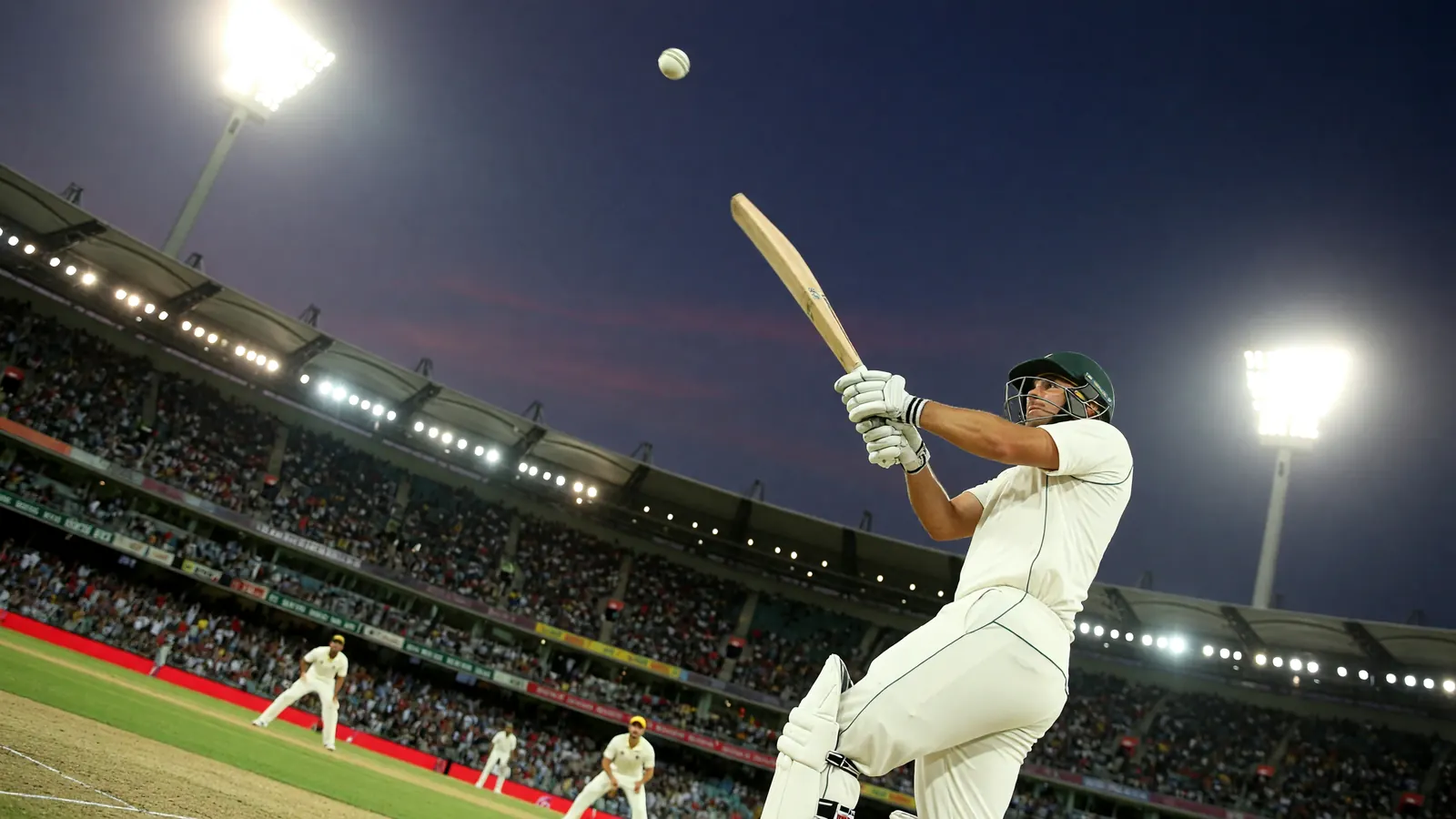
Mega contest math
A Mega contest in IPL is a 50,000-100,000+ entry field with a top-25-40% payout. Captaincy and a differentiating captain pick matter more than team shape. The teams that win Mega are not the obvious teams; they are the teams with one or two contrarian calls that paid off.
| Field | Payout % | Skill signal | Best for | |
|---|---|---|---|---|
| Mega Contest | 10,000+ | Top 25-40% | High variance | Multi-entry players |
| Head-to-Head | 2 | Winner takes 1.8x | Low variance | Strong read on a match |
| Winner Takes All | 2-50 | 1 payout | All-or-nothing | Confident in one captain |
| Practice | Open | Free | Zero financial risk | First 30 days of an account |
Venue watchlist for 2026
Three venues that drive the captaincy math on the calendar:
- Wankhede Stadium (Mumbai) — short square boundaries, batting-friendly. Captaincy bias to batters in the top and middle order.
- Chinnaswamy Stadium (Bengaluru) — flat deck, true bounce, often the highest-run venue of the season. Pace bowlers with yorker accuracy pick up wickets at the death.
- MA Chidambaram (Chennai) — slow turner with variable bounce. Spinners earn captaincy picks on this ground.
- Eden Gardens (Kolkata) — balanced surface. All-rounders who bowl four overs and bat at 5-6 are the value picks.
Continue
Build tonight's IPL team.
Confirm the toss, set the captain, join the contest.
18+ · Eligibility varies by location · Paid contests involve financial risk
Extended IPL 2026 fantasy playbook
The IPL is the most data-dense fantasy cricket calendar. 70 matches in 70 days, with consistent franchises, consistent venues, and consistent squads. The data compounds; the captaincy patterns become visible after the first 10 matches; the venue behaviours crystallise by the 30-match mark. The editorial desk follows the calendar match-by-match.
The first ten matches
The first ten matches of the IPL are the most uncertain window. Squads are not yet settled; injuries are common; the captaincy math is anchored to last season's data. Build through the first ten matches with a defensive lean: pick consistent players, set conservative captaincy, rotate through contest types. The first ten matches are a calibration window, not a contest-winning window.
Mid-season calibration
By the 20-match mark, the captaincy patterns are clear. The middle-order captain is dominant; the death-overs wicketkeeper has emerged as a value pick; the wrist-spin all-rounder is the differentiator on turning tracks. Build the team with these patterns in mind; the captaincy math is no longer anchored to the last season.
Late-season captaincy
The late-season captaincy math shifts because squad rotation kicks in. Teams out of playoff contention rotate their stars; teams in playoff contention rest their quicks. The captain pick should shift to the team that has the most to play for and the squad that has the fewest rest days.
Playoff captaincy
The playoffs are a small sample. Four matches decide the title. The captain pick should ignore the season averages and lean entirely on the day's matchup, the venue, and the toss. A playoff captain pick is a one-day read; the captain who is right on the day wins the contest, regardless of season form.
The differential captain lane
The differential captain is the lane that wins Mega contests. A differential captain is one that fewer than 10% of the field picks. The lane varies by match; the read is consistent across the season. The read is what matters, not the lane itself.
Long-term IPL discipline
Long-term IPL players run the same routine match by match. Open the lobby, pick the next fixture, read the preview, check the confirmed XI, compare last-five innings, note the venue behaviour, wait for the toss, build the team in the last five minutes. The routine compounds; the edge compounds. A season of disciplined play produces a bankroll that grows week-on-week.