
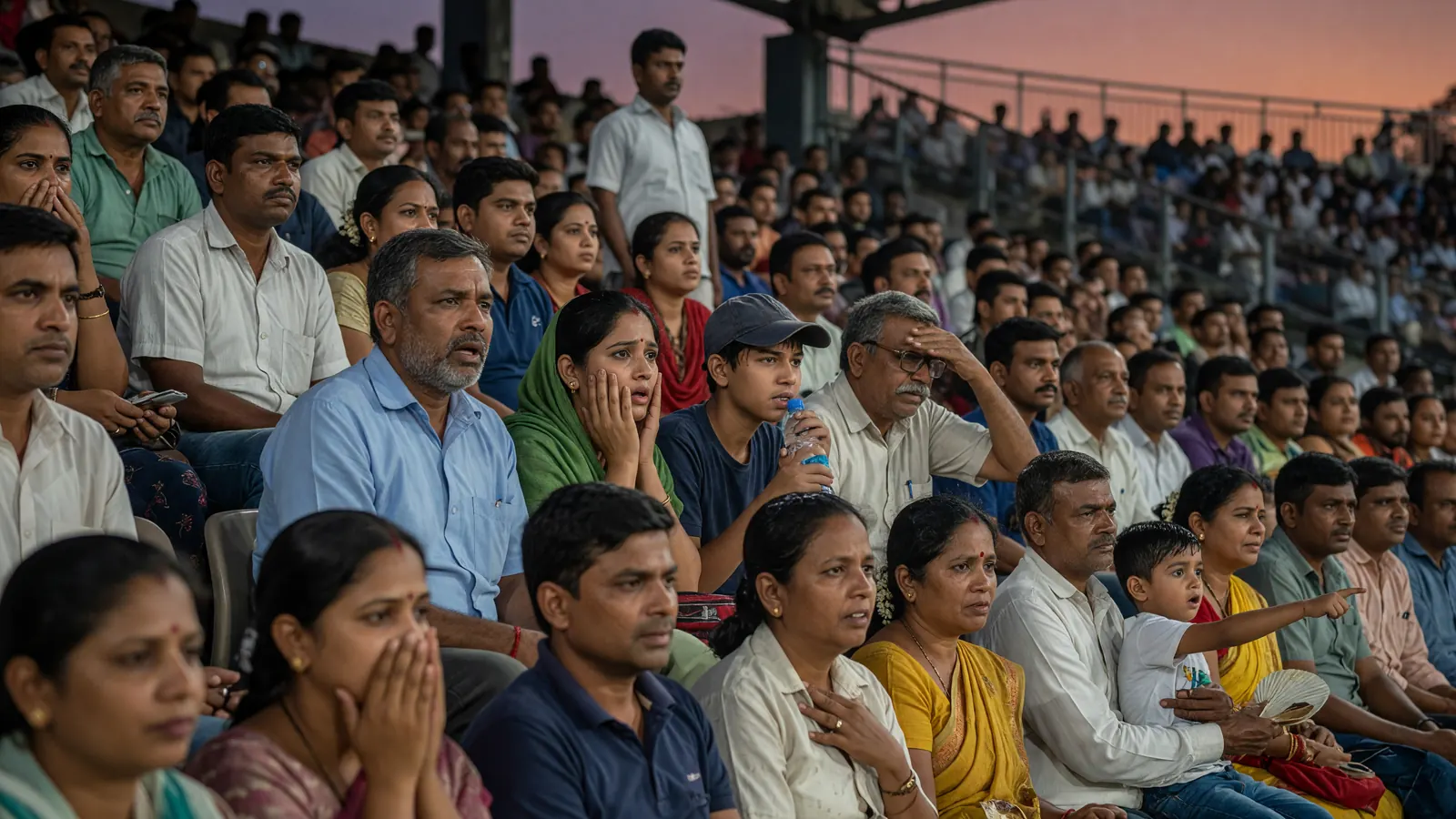
What is fantasy cricket, in one sentence?
Fantasy cricket is a paid game of skill where you build a virtual team of real players, score points based on their actual on-field performance, and compete against other teams for cash prizes. The platform we’re covering — GoPlay11 — runs contests across all three formats: T20, ODI and Test. Each contest has its own entry fee, field size, and payout structure.
The four-step build
Pick a match
The contest menu shows the matches that are open. Each match has a deadline (usually the toss). Your team is locked at the deadline.
Pick 11 players
You have a fixed budget (typically 100 credits). Players cost different amounts based on recent form and tournament history. Stay within budget. Pick 1 wicketkeeper, 3-6 batters, 1-4 all-rounders and 3-6 bowlers.
Choose captain and vice-captain
Captain scores 2x points. Vice-captain scores 1.5x. Pick the player you most expect to lead the match in the relevant metric.
Join a contest
Choose between Mega, Head-to-Head, Practice and Beginner contests. Same team, different risk profile.
Format matters more than you think
A T20 match is decided in 20 overs. An ODI takes 100 overs. A Test match takes five days. The fantasy points system reflects each format. A bowler’s three-wicket haul in a T20 is worth more than the same haul in a Test, because wicket-taking is rarer in T20. A batter’s fifty in T20 is worth less than a fifty in Test, because fifty runs in T20 is expected.
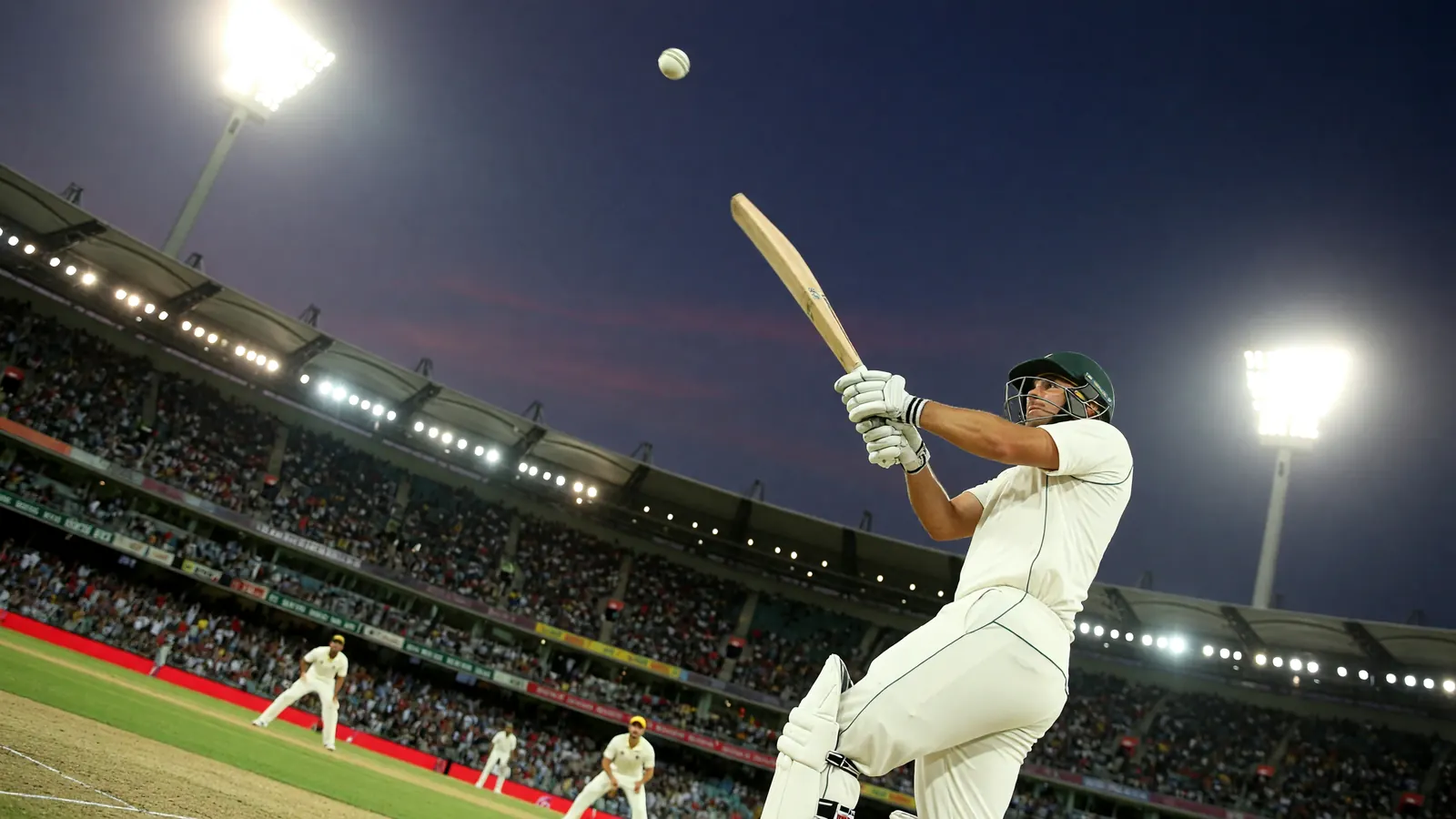
The captaincy question
Captaincy is the single highest-leverage decision in fantasy cricket. The 2x multiplier on captain means a poor captain pick can cost 30-50 points. A good captain pick can gain you 30-50 points. That is the entire contest.
Most new players default to the obvious choice — the most expensive batter, the star bowler. The data suggests a different pattern. Captain picks at the middle order (positions 4-6) have outscored top-order picks by 1.8x in the last calendar year. The reason is simple: middle-order batters face more deliveries across the innings, and they bat in the highest-scoring overs (15-20 in T20).
Choosing a contest
Four contest structures dominate the platform. Each has a different risk profile.
| Contest | Field size | Entry fee | Skill signal |
|---|---|---|---|
| Practice | Open | Free | None |
| Head-to-Head | 2 | ₹10-100 | Lowest variance |
| Winner Takes All | 2-50 | ₹20-500 | All-or-nothing |
| Mega Contest | 10,000+ | ₹25-1,000 | Lottery-style |
The third row is the value play. Winner Takes All contests sit between the certainty of Head-to-Head and the variance of Mega. If you have a strong read on a single captain pick, the small field lets you convert it directly.
Pre-match research that actually matters
The research that doesn’t matter: reading the same preview every other player has read. The research that does:
- Toss and pitch report — whether the captain chose to bat or bowl changes captaincy math by 20+ points.
- Confirmed XI — playing XI is announced 30 minutes before the toss. A last-minute swap changes everything.
- Venue history — some grounds favour spinners; some favour pace. Some are batting paradises. One or two recent matches at the venue tell you enough.
- Recent form — last 5 innings is more predictive than the season average.
Tools we use
There are no tools inside the fantasy cricket platform that surface venue history or recent form well. Most players use a combination of:
- ESPNcricinfo for player stats and venue records
- The official league site for confirmed XI
- Public weather data for DLS scenarios
The rules we wish we’d known
- Captains win contests, not teams. A mediocre team with a great captain beats a great team with a mediocre captain. Most of the time.
- Match-ups matter more than form. A batter in form against a bowler they consistently dominate is worth more than the same batter in form against a bowler they struggle against.
- Never edit a team after the toss. The platform locks your team at the toss. There is no second guess.
Money, fees, and the maths
Every paid contest has an operator fee. The fee is typically 10-30% of the entry pool. That means ₹100 paid into a 100-team Head-to-Head only returns ₹180 to the winner, not ₹200. The operator fee is the cost of running the platform. Read it before you assume the headline prize is the actual prize.
Continue
Questions
Is fantasy cricket legal in India?
Skill-based fantasy formats are treated as games of skill in most Indian states. A small number of states restrict paid fantasy contests. Check our state-by-state reference.
How big is the learning curve?
A new player can join a paid contest within an hour of installing the app. The competitive edge takes 30-50 contests to develop.
What is the difference between T20 and ODI scoring?
T20 scoring rewards strike rate and economy more than cumulative runs or wickets. ODI scoring rewards both. Test scoring rewards time at the crease and wicket-taking.
Can I edit my team after the toss?
No. The platform locks your team at the toss. Review your team before the toss, not after.