What the rumour says, in plain English
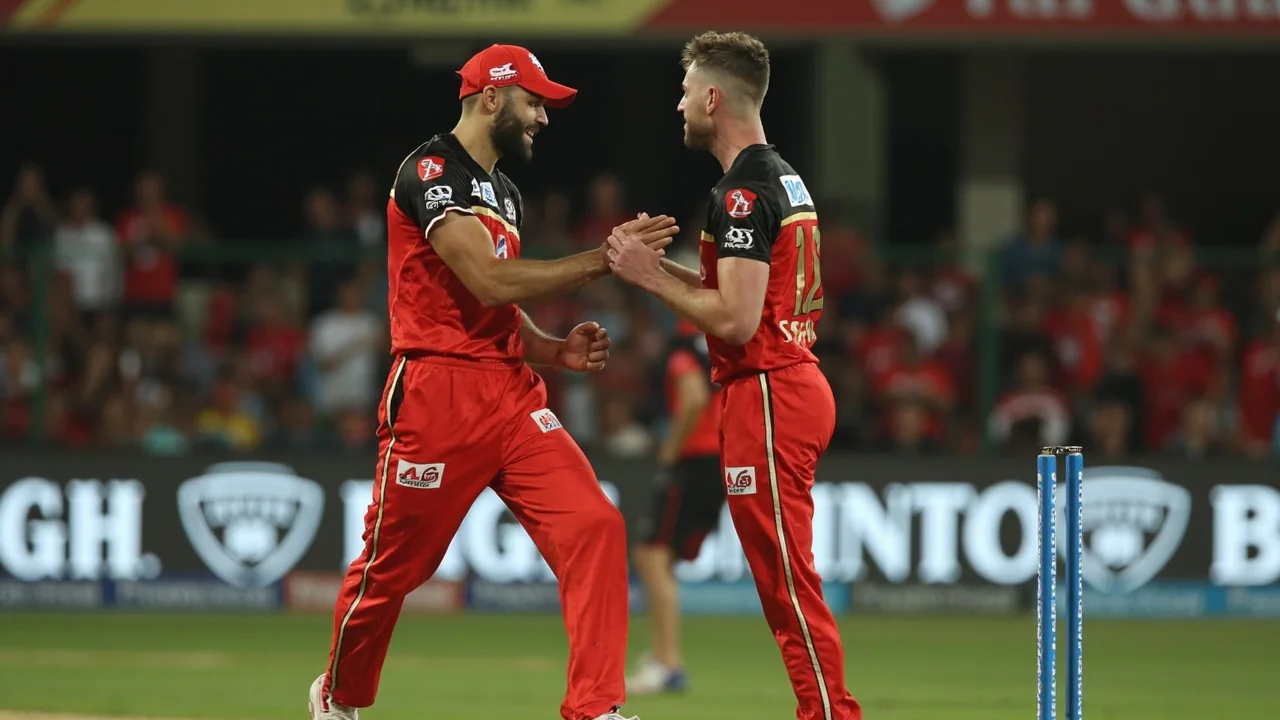
A report first filed by Sports Yaari and syndicated through Yahoo Sports and the Cricket News vertical claims that Royal Challengers Bengaluru are exploring a player-swap move ahead of the IPL 2027 auction window. The proposed shape, as reported: West Indian all-rounder Romario Shepherd moves from RCB to Rajasthan Royals, and England all-rounder Sam Curran moves the other way. Neither franchise has confirmed the rumour, and the underlying article explicitly labels the deal as unverified. Treat it as a credible but unconfirmed market signal, not as news.
The timing matters. The IPL 2027 retention and trade window sits months ahead of the auction cycle. Front offices use this period to sound out combinations and clear salary-cap space before finalising retention lists. A speculative swap reported at this stage is exactly the kind of rumour that circulates between the December mega auction and the next retention cut-off. By the time squads are frozen, the rumour will either have happened, evolved into a different shape, or quietly disappeared.
The Curran side of the trade
Sam Curran is not new to IPL trade chatter. He moved from Chennai Super Kings to Rajasthan Royals ahead of IPL 2026 as part of the same package that took Sanju Samson to Chennai, with Ravindra Jadeja also heading to the Royals. The 2026 move, on paper, looked like a smart fit: a left-arm seam-bowling all-rounder with power at the back end of the innings, paired with the Royals' established top order.
It never happened on the field. Curran was ruled out of the entire 2026 season before a ball was bowled with what the report describes as a suspected groin injury. Rajasthan Royals replaced him with Dasun Shanaka for the campaign. So when the current rumour puts him on a path to RCB, the relevant baseline is a player whose last completed IPL season was 2025, where he showed glimpses of form without locking down a finishing slot.
For fantasy players, the relevant question is not what Curran did in 2026 (he played zero games). It is what he might do in 2027 if the deal lands: a four-over seam option plus a finisher role, with captaincy upside at the death overs. The captain pick at that slot is a contest-by-contest decision and one that should not be made before the move is confirmed.

The Shepherd side of the trade
Romario Shepherd spent IPL 2025 with RCB. The summary, as the report frames it: explosive hitting in short bursts, real questions about lower-order consistency. He could change a T20 in three balls. He could also go quiet for ten and leave the innings stuck. That is the tension a franchise feels when deciding whether to retain an explosive finisher on a high base price.
If the rumour is accurate, the framing is simple. RCB see a depth chart where the finishing role needs a steadier floor. The Royals see an upside swing on a proven power hitter who, on his day, hits sixes as easily as anyone in the league. The trade math is one of role fit and risk tolerance, not of pure talent.
For fantasy, the read-through is the same one we walked through in our fantasy cricket explainer on all-rounder captain picks: a finisher who wins by six-hitting percentage pays off in Winner Takes All contests and smaller fields, but loses ground in Mega contests where a steadier lower-order scorer can compile without spikes. The role math does not change because the jersey colour does.
What fantasy players should actually do right now
Step one: do nothing irreversible. The rumour is unverified. Front-loading Curran or Shepherd into your IPL 2027 retention preview on the strength of a single syndicated report is the kind of decision you regret in November. Wait for an official announcement from either franchise, or for a second independent report from a non-overlapping outlet.
Step two: separate the two players in your planning. Sam Curran and Romario Shepherd are not interchangeable. Curran is a left-arm seam option plus finisher with a higher floor and a lower ceiling. Shepherd is a pure power-hitting seam option with a higher ceiling and a lower floor. A captain pick at the all-rounder slot that assumes one will land at a specific franchise is guessing twice: once on the move, once on the role.
Step three: revisit the venue profile. The Chinnaswamy surface in Bengaluru rewards pace-up scoring in the powerplay and six-hitting at the death. The Sawai Mansingh in Jaipur historically offers more grip and rewards slower bowlers in the middle overs. A Curran-at-RCB versus Curran-at-Rajasthan-Royals split changes the role he plays in the innings, even if the batting position stays the same. Venue-aware captaincy is the cheapest edge in T20 fantasy.

What the move, if it lands, actually means
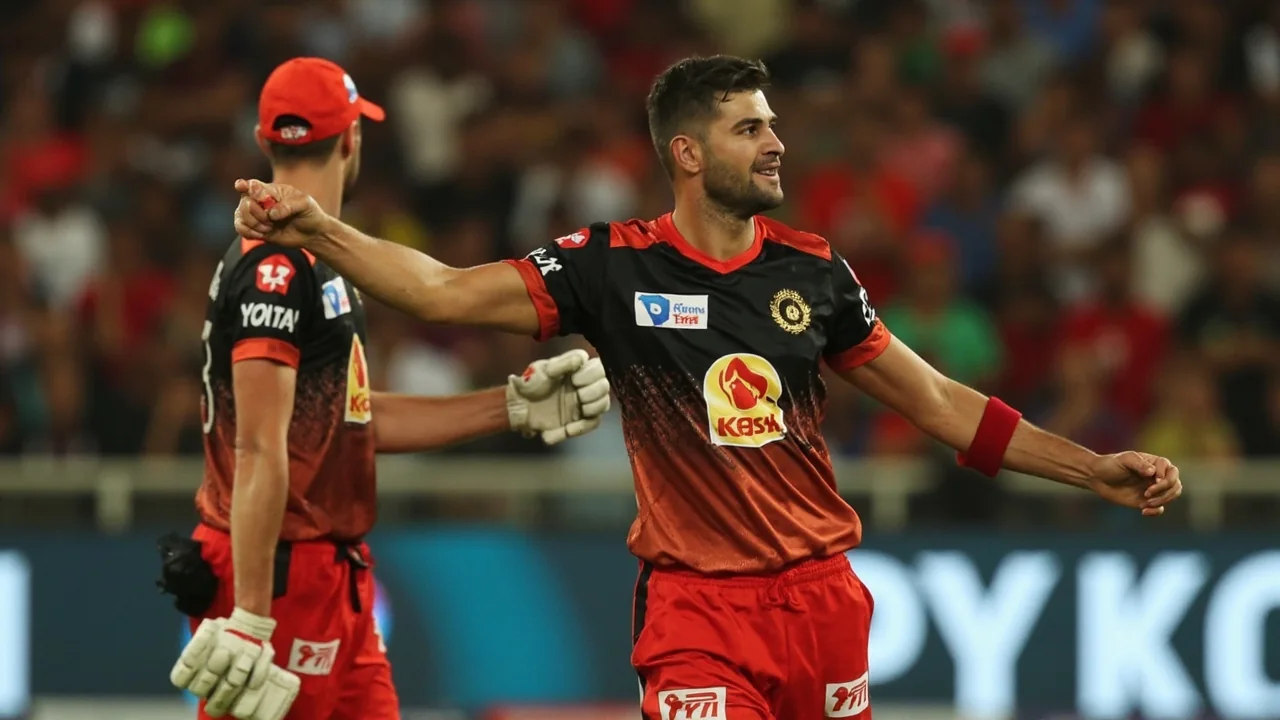
Read the rumour as a roster-shape signal. Both franchises are looking at their all-rounder depth chart and asking the same question: is the current mix giving us the right ceiling-floor balance for the surfaces we play on most often? If RCB do send Shepherd out, it implies they have either identified a replacement finisher in mind, or they want the salary-cap room to chase one at the next auction. If RR take Curran in, it implies they want a seam-bowling all-rounder with a higher floor than the options they have, even at a potentially higher auction price.
Either way, the rumour is not a one-player story. It is a read on how two front offices think about the all-rounder slot in T20. That is the editorial frame we use across the rest of this site: squad announcements, injury updates, and venue reports as inputs to the contest decisions you make tonight.
Why IPL trade windows work the way they do
IPL trades are not free-agent signings. They are player-swap deals that both franchises have to agree to in a fixed window between the end of one season and the retention cut-off for the next. The league sets the rules; the franchises negotiate the shape. The Samson-Curran-Jadeja trade ahead of IPL 2026 was the headline example of how a multi-player swap can reshape two squads in one move.
That framework matters for fantasy because trades usually change jersey colour, not role. A finisher stays a finisher. A death-overs seam option stays a death-overs seam option. The captain pick math does not reset; it shifts by one variable. Which is why the safe move in August, before any official confirmation, is to wait. The cheap move, on the day the trade is announced, is to refresh your retention preview and run the role-fit check at the new venue.
What to watch next
Three concrete signals will tell fantasy players whether the rumour has legs. First, a second independent report from a non-overlapping outlet that confirms the player-swap shape. Second, an official RCB or Rajasthan Royals social media post about the squad, even if it does not name the two players directly. Third, the retention-list submission deadline, which is the moment when any proposed trade either lands or quietly dies. Until one of those three happens, the move is rumour and nothing more.
For our news desk, this story sits in the same drawer as every other unverified squad rumour we cover: report the claim, name the source, flag the absence of confirmation, and tell you what to watch. The contest decisions come later, when the picture is clearer.
How previous IPL trades have actually played out
The Samson-Curran-Jadeja trade ahead of IPL 2026 is the cleanest recent precedent for thinking about this rumour. Three players, two franchises, one negotiated package. By the end of that season the package had produced mixed fantasy outcomes: Samson slotted into a top-order role at Chennai that worked on paper and on the leaderboard; Jadeja's all-rounder role at Rajasthan looked settled in the first half of the campaign; Curran's role, as noted above, never got a chance to settle at all. The lesson is not that trades fail. It is that a multi-player trade is a slow read, and the fantasy read-through only stabilises after a window of matches at the new franchise.
A second precedent is the Ravichandran Ashwin trade to Rajasthan Royals ahead of IPL 2022, which moved a finger-spin all-rounder to a side that wanted a wicket-taking option on spin-friendly surfaces. The trade worked on the field for that season, less so the next, and Ashwin was released back into the auction pool within two cycles. Trade value decays quickly when the role-fit no longer matches the squad composition.
The takeaway for fantasy players: even when a trade lands, the read-through is not instant. The first half of a new season at a new franchise is the calibration window, and captain picks during that window should be priced for variance rather than for the headline reputation of the player involved.
The salary-cap angle you rarely see in the headlines
Every IPL trade has a second story running underneath it: the salary cap. Each franchise has a fixed purse and a retention ceiling. When a trade moves a higher-priced player out, it frees room to bid more aggressively at the next auction or to retain other squad members at higher prices. When a trade moves a higher-priced player in, it forces other retention decisions downstream.
That is the most likely reason for a Shepherd-out, Curran-in shape, if the rumour proves accurate. RCB would be freeing significant purse room. Rajasthan Royals would be taking on a known-price all-rounder slot rather than chasing the same player in the auction, where price discipline is harder to enforce. Both front offices are trading risk against purse efficiency, not just swapping names.
For fantasy players, the salary-cap angle matters because it predicts the kind of role each player will be asked to play. A cheaper slot can come with more batting-order freedom, because the franchise has less invested in a specific role. A higher-priced slot usually comes with a defined role expectation. The captain pick math at a high-priced slot is different from the captain pick math at a slot bought at auction discount.
Where this leaves us, and what we will update when
As of writing, the RCB-Rajasthan Royals Shepherd-Curran swap is a credible single-source rumour with no on-the-record confirmation from either franchise. Our editorial read is the same one we would give any other trade rumour: do not pre-load the lineup, do not push the all-rounder slot to either player on the strength of one report, and do not let the headline rewrite the role profile you would otherwise apply to both.
We will update this story the moment a second independent report confirms the shape, either franchise posts on the record, or the retention window passes. In the meantime, the captain pick at the all-rounder slot remains a venue-and-role question, not a jersey-colour question. That is the editor's line on this rumour, and we will hold it until the picture sharpens.